
Key Points
- Public stories about addiction and homelessness should be approached with compassion rather than spectacle, blame, or armchair diagnosis.
- Addiction, mental illness, housing instability, trauma, and fragmented systems often interact, while recovery remains possible even after visible decline.
- How Brooks helps: Brooks provides a respectful path into structured addiction and mental-health treatment focused on dignity, stability, and sustained recovery.
Disclaimer:
This article is based solely on public reporting, firsthand accounts shared by friends and acquaintances, and publicly available media sources. It does not rely on medical records, clinical evaluations, or private information, and it does not claim to diagnose or confirm any medical condition related to Tylor Chase.
Brooks Healing Center has no medical, professional, or personal relationship with Tylor Chase. This content is intended for educational and awareness purposes only, to discuss addiction, homelessness, and recovery within the broader context of the U.S. substance use crisis. Any references to addiction or homelessness reflect what has been reported publicly, not verified clinical facts.
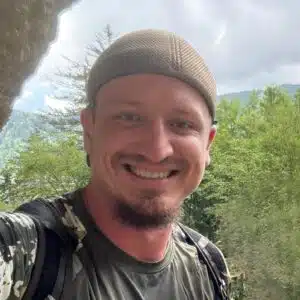
For many people who grew up watching early-2000s television, the cast of Ned’s Declassified School Survival Guide represents a simpler time. Recently, however, public concern has grown around Tylor Chase, a former actor from the show, after reports and firsthand accounts surfaced describing his struggles with addiction and homelessness.
While headlines can feel shocking, Tylor Chase’s story reflects a much larger and deeply American problem—one where substance use disorders, mental health challenges, and housing instability collide, often without a safety net.
Tylor Chase’s Story: Public Struggle, Not a Private Failure
In recent years, friends and acquaintances have spoken publicly about Tylor’s situation, describing long-term struggles with substance use and periods without stable housing. These accounts, shared through interviews and social media, emphasize something crucial: addiction is not a moral failure, and fame does not protect someone from it.
Like many people who experience addiction, early success did not translate into long-term support, stability, or accessible care. When work dries up, relationships strain, and untreated mental health issues compound, the slide can happen quickly, especially without consistent treatment or community resources.
Addiction and Homelessness Are Closely Linked
Tylor Chase’s experience mirrors a national trend. Across the U.S.:
- Substance use disorders significantly increase the risk of homelessness
- Homelessness, in turn, makes recovery far more difficult
- Relapse rates rise sharply without stable housing, medical care, and support
This cycle is not unique to actors or public figures. It plays out daily in cities and rural communities alike, often out of sight.
Why Stories Like Tylor Chase’s Matter
Public stories like Tylor’s can feel uncomfortable, but they serve an important purpose. They challenge the idea that addiction only affects “certain kinds of people.” In reality, addiction impacts people from every background, including those who once appeared successful, stable, or well-known.
Friends who have spoken about Tylor have emphasized concern, compassion, and hope, calling attention not just to his struggles, but to the urgent need for accessible treatment, long-term recovery support, and dignity for people in crisis.
The Bigger Picture: America’s Ongoing Drug Crisis
Tylor Chase’s situation is unfolding against the backdrop of an ongoing overdose and addiction crisis in the United States. Synthetic opioids, stimulant use, untreated trauma, and gaps in mental health care continue to overwhelm individuals and families.
What often goes missing from the conversation is continuity of care, not just detox or short-term treatment, but sustained support that includes:
- Medical and psychiatric care
- Stable housing
- Community connection
- Relapse prevention and aftercare
Without these, even motivated individuals can fall through the cracks.
Compassion Over Spectacle
It’s important to approach stories like this with restraint. Addiction should never be treated as entertainment or gossip. Tylor Chase is a person first, someone with a past, relationships, and the same capacity for recovery as anyone else.
His story is not about blame. It’s about visibility, and what happens when systems fail people who need help.
Help Is Still Possible
Recovery is not linear, and it is never too late. Many people who have experienced addiction and homelessness go on to rebuild their lives with the right care and support. Awareness, empathy, and access to treatment can change outcomes, not just for one former child star, but for millions of others facing similar battles in silence.
If you or someone you care about is struggling with substance use, help is available. Reaching out can be the first step toward stability, safety, and recovery.
Sources
About Tylor Chase (news)
- People Staff. (2025, December 29). Tylor Chase, the “Ned’s Declassified” actor experiencing homelessness, was released after a 36-hour medical hold. People. https://people.com/tylor-chase-neds-declassified-actor-released-36-hour-medical-hold-11877038/
- Associated Press. (2023, October 10). New California law aims to force people with mental illness or addiction to get help. AP News. https://apnews.com/article/baef68d08e1f8fd57869f40db2f2adce
- Entertainment Weekly. (2025, December). “Mighty Ducks” star provides update on homeless Nickelodeon actor Tylor Chase after 36-hour medical hold. https://ew.com/mighty-ducks-star-gives-update-on-homeless-nickelodeon-actor-tylor-chase-11877197/
- The Guardian. (2024, July 1). 2,100 deaths in 10 years: how fentanyl is devastating Los Angeles’ unhoused community. https://www.theguardian.com/us-news/article/2024/jul/01/2100-deaths-in-10-years-how-fentanyl-is-devastating-los-angeles-unhoused-community
Research & Public Health
- University of California San Francisco. (2025, February 19). How common is illegal drug use among people who are homeless? https://www.ucsf.edu/news/2025/02/429486/how-common-illegal-drug-use-among-people-who-are-homeless
- End Homelessness. (2025). State of Homelessness: 2025 Edition. https://endhomelessness.org/state-of-homelessness/
- Public Health at Johns Hopkins. (2025, August 12). What would it take to end homelessness in America? https://publichealth.jhu.edu/2025/we-can-end-homelessness-in-america