
Updated on: September 2, 2026 by John Ingham
Meloxicam is a generic drug that’s used to treat pain and inflammation caused by conditions like juvenile rheumatoid arthritis and rheumatoid arthritis. Like ibuprofen, another common pain reliever, meloxicam is a nonsteroidal anti-inflammatory drug (NSAID).
The Cipla 159 pill is a meloxicam tablet that’s 15 mg. Learn more about the Cipla 159 pill, its usage, dosage, and side effects, and how to identify it.
Key Points
- A Cipla 159 tablet contains 15 mg of meloxicam, a prescription NSAID.
- Meloxicam tablets are FDA-approved for certain forms of arthritis, including osteoarthritis, rheumatoid arthritis, and juvenile rheumatoid arthritis in appropriate patients.
- The maximum recommended oral dose for most adults is 15 mg per day.
- A pill’s color, shape, and imprint can help identify medication from a legitimate pharmacy, but appearance alone cannot confirm that a pill obtained elsewhere is authentic.
What Is the Cipla 159 Pill?
The Cipla 159 pill is meloxicam, a prescription drug that’s in the nonsteroidal anti-inflammatory drug (NSAID) class.[1] This pill is a generic form of meloxicam that Cipla USA produces.
Can You Identify a Pill by Its Imprint Alone?
Imprint codes are useful for identifying medications dispensed through legitimate pharmacies, but appearance alone cannot confirm that a tablet obtained from an unofficial source is authentic.
Counterfeit tablets can be manufactured to resemble legitimate prescription medications. If there is uncertainty about a pill’s origin or identity, a pharmacist can help identify it before it is taken.
How Is the Cipla 159 Pill Used?
Meloxicam tablets are FDA-approved for the relief of signs and symptoms associated with osteoarthritis and rheumatoid arthritis. They are also approved for certain forms of juvenile rheumatoid arthritis in children who meet the applicable weight requirements.
Clinicians may sometimes use medications for additional off-label purposes, but those uses should be distinguished from the FDA-approved indications for meloxicam tablets.
Meloxicam is an NSAID whose mechanism involves inhibition of both COX-1 and COX-2 enzymes. The body has two types of cyclooxygenase (COX) enzymes, COX-1 and COX-2, both of which make prostaglandins. These hormone-like chemicals can cause pain, inflammation, and fever.
The different COX enzymes have different effects on the body. COX-1 enzymes make prostaglandins that help your blood clot and protect the lining of your stomach and intestinal tract.[3] COX-1 inhibitors block inflammation, but they also block positive effects like stomach protection and blood clotting control.
COX-2 enzymes make prostaglandins that are involved in inflammation. They mostly block inflammation rather than COX-1 enzymes.[4] COX-2 selectivity does not eliminate gastrointestinal or cardiovascular risks. Meloxicam can still cause serious gastrointestinal bleeding, ulceration, and other NSAID-related complications.
Common NSAIDs, such as ibuprofen and naproxen, affect both COX-1 and COX-2 enzymes. These medications are nonselective NSAIDs. COX-2 inhibitors precisely target COX-2 enzymes and are known as selective NSAIDs.
Cipla 159 Pill Identification
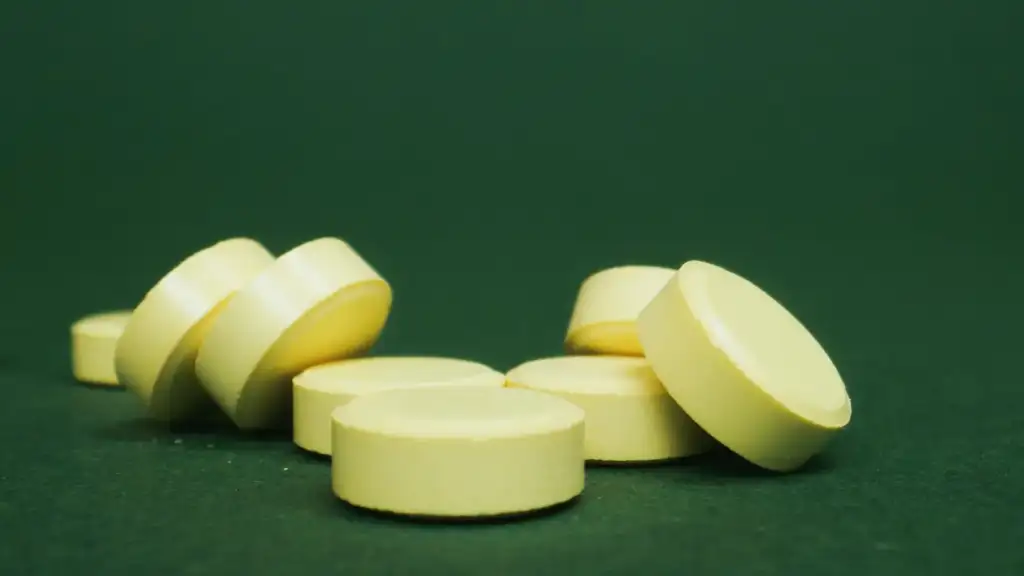
The Cipla 159 pill is a 10 mm yellow, round pill with the imprint CIPLA 159.[5] It contains 15 mg of meloxicam and is supplied by Cipla USA. It’s only available by prescription, but it’s not a controlled substance.
In addition to the Cipla 159 pill, meloxicam may have different strengths when marketed under different brand names. The Cipla 159 pill is a generic version, but it’s also sold under the brands Mobic, Qmiiz, and Vivlodex.
Many versions of meloxicam are yellow tablets that are round or oval. They’re often meloxicam 7.5 mg or 15 mg and come with different manufacturer imprints, including U L 15, C 158, U L 7.5, and T 153.[6] Some have an imprint that indicates the dosage as well. Meloxicam tablets aren’t usually split; this medication is prescribed in specific dosages and should be taken as directed.
Along with tablets, meloxicam may be prescribed in capsules, dissolving capsules, and suspension forms.
Side Effects and Interactions

Meloxicam can have mild or serious side effects, including:[7]
- Abdominal pain
- Diarrhea
- Indigestion
- Heartburn
- Headache
- Dizziness
- Itching or rash
Usually, these side effects go away after a few days or weeks. There are more serious side effects, such as:[8]
- Stomach and intestinal problems like bleeding ulcers or severe stomach pain
- Liver damage, including nausea, vomiting, and yellowing of the skin and eyes
- Liver failure
- Increased blood pressure
- Water retention or swelling
- Upper respiratory tract infections
- Acute urinary retention
- Serious skin reactions like blistering, peeling, or rash
- Kidney damage, including anemia and pain with urination
- Heart attack or stroke
- Allergic reaction
Older people 65 years and older may have an increased risk of serious effects involving the heart, digestive system, or kidneys.
Meloxicam can interact with other medications, which may have clinically significant drug interactions or can interfere with how well the drug works. Some of the possible interactions include:[9]
- Antidepressants and anxiety medications, such as selective serotonin reuptake inhibitors or serotonin-norepinephrine reuptake inhibitors, which can increase the risk of bleeding
- Corticosteroids, which can increase the risk of hemorrhagic gastric ulcer
- Certain cancer drugs, which can increase the risk of bleeding and infection
- Transplant drugs, which can cause possible acute renal failure
- Methotrexate, which can increase the risk of infection and severe renal impairment
- Anticoagulants, which can increase the risk of stomach bleeding
- Lithium, which can cause the levels of lithium to rise to dangerous levels
- Blood pressure drugs, which may limit their effectiveness
- Other nonsteroidal anti-inflammatory drugs, which can increase the risk of serious side effects
Meloxicam generally should not be routinely combined with another NSAID such as ibuprofen or naproxen unless a healthcare professional specifically recommends the combination. Using multiple NSAIDs can increase the risk of gastrointestinal bleeding, kidney injury, and other complications.
Safety Considerations and Precautions
For adults with osteoarthritis or rheumatoid arthritis, the usual recommended starting dose of meloxicam tablets is 7.5 mg once daily. Some patients may receive additional benefit from 15 mg once daily.
The maximum recommended oral dose for most adults is 15 mg per day. People receiving hemodialysis have different dosage limitations.
Dosage should be determined by a healthcare professional using the lowest effective dose for the shortest duration consistent with the individual’s treatment goals.
If you stop taking meloxicam, your symptoms may remain or worsen. Taking more than your dosage could harm your body and won’t be more effective.
A meloxicam overdose is a medical emergency. The symptoms of a meloxicam overdose include nausea, vomiting, stomach pain, and stomach bleeding, as well as possible heart problems or organ failure.[10]
Before taking meloxicam, tell your doctor if you have a history of heart disease, high blood pressure, diabetes, heart attack, stroke, blood clots, stomach ulcers or bleeding, kidney disease, liver disease, or asthma. Meloxicam is not safe for pregnant women and may cause heart or kidney problems in the unborn baby.
How to Handle Unidentified Pills
Tablets like the Cipla 159 pill can easily be mistaken for other drugs, leading to possible complications. If you find a pill you can’t identify, don’t just throw it away. Some pills can be dangerous for other people, children, animals, or the environment.
If you find the Cipla 159 pill or any other pill, it’s crucial to treat it like hazardous waste and dispose of it properly. The DEA has drug takeback facilities to help consumers dispose of drugs safely.[11] Look for your local drug takeback facility to dispose of prescription drugs like meloxicam and over-the-counter medications.
Though flushing medications poses a risk to the water supply and the environment, some drugs are allowed to be flushed, according to the FDA. For example, drugs that are too dangerous to risk falling into the hands of others, such as opioid painkillers, can be flushed. Be sure to check the flush list from the FDA before flushing any medication.[12]
You shouldn’t just throw pills away, especially if you don’t know what they are. If you throw pills in the trash, children or pets can access them. Trash also ends up in the landfill, so loose pills can contaminate the water supply.
If you don’t have another option, disposing of a drug in the trash may be acceptable if you take precautions. The medication should be in a sealed bag or container with all identifying information removed. Don’t crush or otherwise alter tablets or capsules. Try to throw the drug away with something that will deter children and pets, such as cat litter or coffee grounds.
No matter what, don’t share prescription medications with others. Your doctor knows your history and risks to make an informed decision about prescribing a specific drug. Someone else may have risk factors that make the drug unsafe for them, even if it’s safe for you or most other people.
Be Careful with Unidentified Pills
Unidentified pills can be a safety and environmental risk. If you find an unidentified pill like the Cipla 159 pill, try to identify it and dispose of it properly. It’s important to be responsible with medications to avoid them harming others or the environment.
Sources
[1] Cipla 159 pill yellow round 10mm – pill identifier. Drugs.com. (n.d.-g). Retrieved from https://www.drugs.com/imprints/cipla-159-22742.html on 2024, September 24.
[2] Meloxicam uses, dosage, side effects & warnings. Drugs.com. (n.d.-i). Retrieved from https://www.drugs.com/meloxicam.html on 2024, September 24.
[3,4] Cleveland Clinic. (2024, May 1). COX-2 inhibitors: What they are, uses & side effects. Cleveland Clinic. Retrieved from https://my.clevelandclinic.org/health/drugs/23119-cox-2-inhibitors on 2024, September 24.
[5,6] Meloxicam pill images – what does meloxicam look like?. Drugs.com. (n.d.-i). Retrieved from https://www.drugs.com/image/meloxicam-images.html on 2024, September 24.
[7,8,9,10] MediLexicon International. (n.d.). Meloxicam: Side effects, dosage, uses, interactions, and more. Medical News Today. Retrieved from https://www.medicalnewstoday.com/articles/meloxicam-oral-tablet#about on 2024, September 24.
[11] Take back day. DEA. (n.d.-g). https://www.dea.gov/takebackday
[12] Center for Drug Evaluation and Research. (n.d.). Drug disposal: FDA’s flush list for certain medicines. U.S. Food and Drug Administration. https://www.fda.gov/drugs/disposal-unused-medicines-what-you-should-know/drug-disposal-fdas-flush-list-certain-medicines