What sets Brooks Healing Center apart is how we connect addiction treatment, mental health care, and everyday recovery support. On our 36-acre Tennessee campus, we work with you to understand what’s happening and build a plan that fits your needs.
Drinking or drug use may be tangled up with anxiety, depression, trauma, or emotions that feel hard to manage. Our dual diagnosis approach considers those connections instead of asking you to put one concern aside.
We treat substance use alongside conditions such as depression, anxiety, PTSD, ADHD, bipolar disorder, OCD, and personality disorders. Assessment helps us decide which services are appropriate and whether outside specialty care is needed.
Care can include medical detox, addiction and mental health treatment, individual and group therapy, medication management, and trauma informed support. When appropriate, medication assisted treatment and continuing recovery planning are part of that same conversation.
Separate providers can offer effective care, and this comparison describes organization rather than treatment quality. At Brooks, we coordinate the services we provide and arrange outside referrals when your needs extend beyond them.
There isn’t one explanation for everyone’s substance use. We explore how trauma, mental health symptoms, relationships, stress, and learned coping habits may be involved.
CBT and DBT skills can help you recognize patterns and practice different responses. Brainspotting may be offered as an adjunct, but its research base is more limited than established therapies.
Your history, medical needs, mental health, current symptoms, and personal goals guide planning. Our team adjusts care as your needs become clearer.
Explore our treatment approaches and guide to treatment research to understand how different services may help. We’ll discuss what’s appropriate for you rather than promise a particular result.
Individual and group sessions provide opportunities to practice coping skills, communication, and emotional awareness. Trauma informed care helps shape how we approach those conversations.
Adventure therapy, experiential activities, and 12-step participation can complement clinical treatment. They offer ways to build confidence, explore interests, and practice connecting with others, while the strength of evidence varies by approach.
Our levels of care support different needs, from withdrawal management to greater independence. Progression is individualized, so you may not need every level or follow a fixed sequence.
Structured treatment with around-the-clock support.
Intensive daytime clinical care with greater independence.
Medication support across appropriate treatment stages.
Supportive recovery housing, separate from clinical treatment.
Connections and continuing recovery planning.
Clinical detox, residential treatment, and PHP are provided in Normandy; PHP supportive housing and sober living are in Tullahoma. We can coordinate outside IOP referrals when appropriate, but Brooks doesn’t directly operate an IOP.
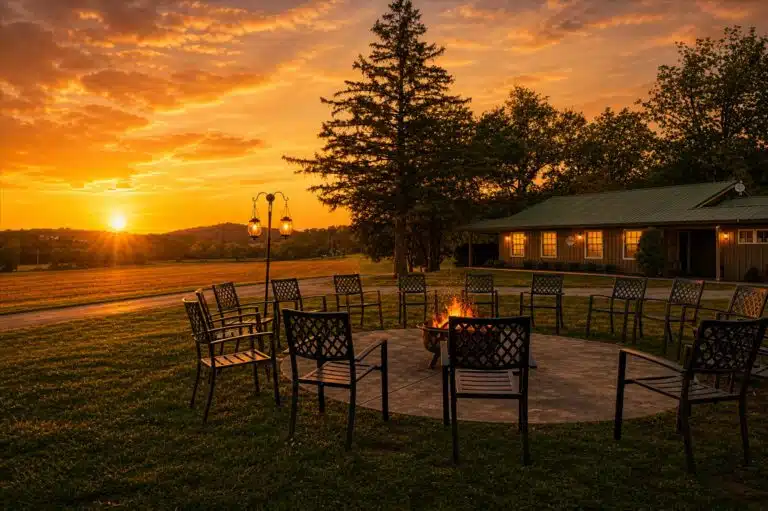
Our 36 acres along the Duck River sit between Nashville and Chattanooga in Normandy, Tennessee. The setting offers room for reflection, recreation, and time away from familiar routines.
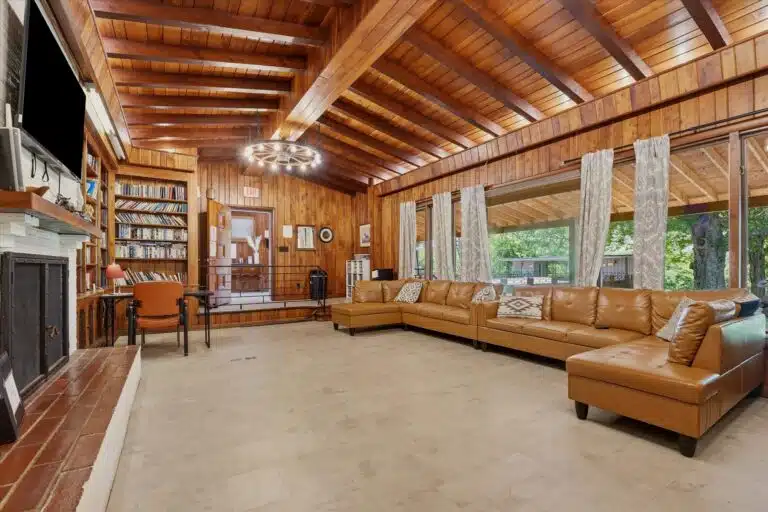
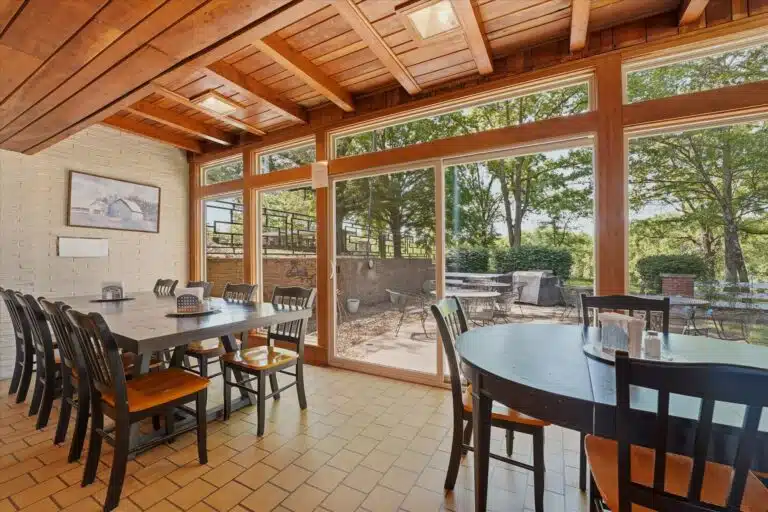
Gender-specific accommodations, chef-prepared meals, gardens, and indoor and outdoor gathering spaces support daily life here. See our campus photos for a closer look at the place where treatment happens.

Recovery often involves learning to ask for help, communicate honestly, and set healthier boundaries. Relationships with professionals and peers offer opportunities to practice those skills.
Family involvement can be part of care when appropriate. Trust takes time, and we work toward connection and accountability without expecting you to feel comfortable immediately.
Leaving a treatment setting doesn’t mean every challenge is resolved. We help you think through continuing care, housing needs, recovery connections, and practical next steps.
Depending on your needs, that may involve PHP, sober living, alumni connections, peer support, or outside services. Talk with our admissions team about the support Brooks offers and what may require a referral.
We work with commercial insurance, and our team can verify your benefits and explain potential costs. Coverage depends on your plan, medical necessity, and any required authorization.
We don’t accept Medicare, Medicaid, or TennCare, but we can refer you to programs that do. Ask admissions about private pay and payment arrangements and whether any financial assistance is currently available.
We bring addiction and mental health care into a coordinated plan within a countryside setting. Your needs guide how our services fit together.
Yes, we treat co-occurring mental health concerns alongside substance use. Assessment helps determine whether our services match your needs.
Brooks integrates the medical and clinical services we provide. Some people also need outside specialists or referrals.
No, planning considers your symptoms, history, health, and goals. The plan can change as treatment progresses.
We provide medical detox, residential treatment, and PHP, with MAT when appropriate. Sober living and recovery support serve different needs beyond clinical treatment.
Brooks is Joint Commission accredited and licensed by the Tennessee Department of Mental Health and Substance Abuse Services. Visit our licensure page to review our credentials.
You don’t have to work out every detail before reaching out. We can talk through your concerns, explain our services, and help you consider the next step toward treatment.